What Goes Into a Full Football Kit? Shirts, Shorts, Socks and Extras Explained
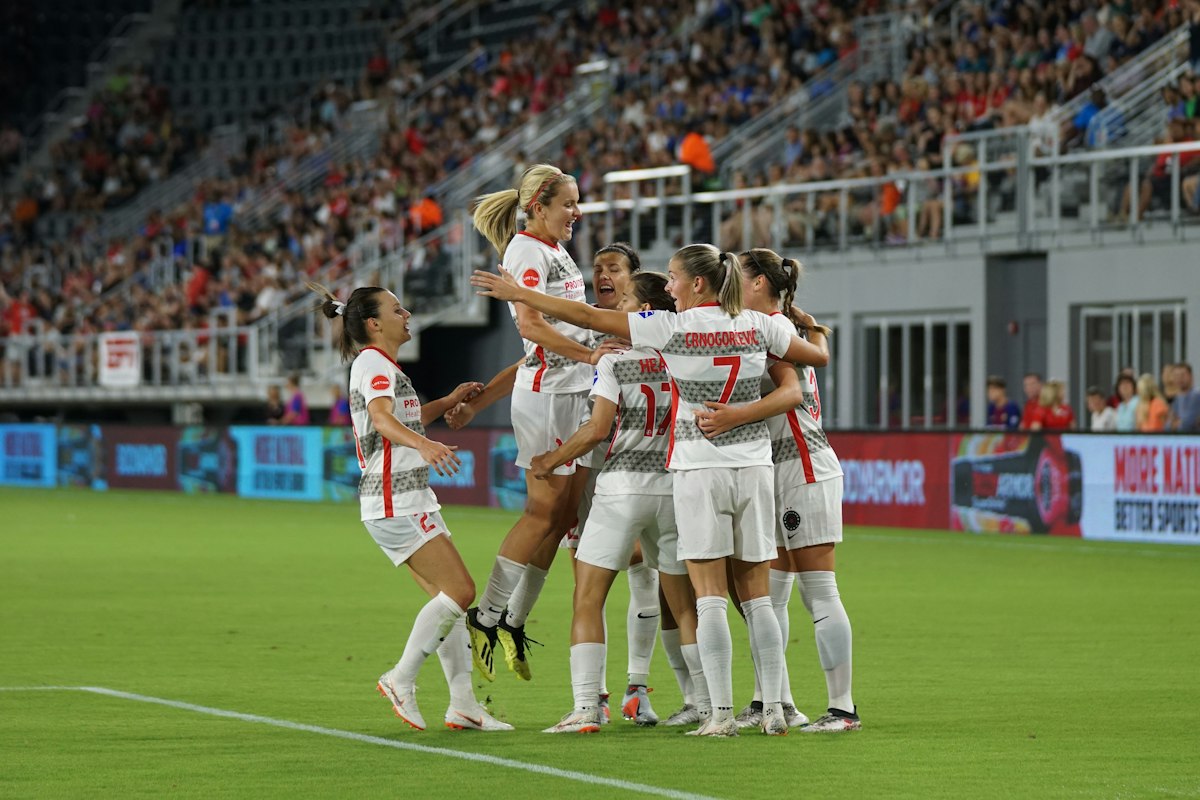
Ask ten clubs what a football kit includes and you will hear ten different answers. For some it is a shirt and nothing more. For others it covers everything a player wears from the warm-up to the final whistle. If your club is getting quotes for custom football kits, it helps to define the full list first so that every supplier is pricing the same thing.
Quick answer: A full football kit is a match shirt, shorts and socks for outfield players, plus a goalkeeper kit in a contrasting colour. Many clubs add a second colourway for away games, training wear and a warm-up top or jacket. Ordering the pieces together keeps colours and branding consistent.
What are the core pieces of a football kit?
The match shirt carries the club identity. It shows the colours, the crest, the player number and usually a sponsor. Shorts are simpler, but they finish the look and normally carry a small crest and number on the leg. Socks complete the set and are part of what the referee uses to tell teams apart.
These three pieces should be designed together. A shirt with a bold pattern usually works best with plain shorts in one of the shirt colours. Socks can repeat a stripe or hoop from the shirt to tie the whole kit together.
What does the goalkeeper need?
The goalkeeper must wear colours that are clearly different from both teams' outfield players and from the match officials. That means a separate design, or at least a separate colourway, and often a second option in case of a clash.
Goalkeeper shirts are often long sleeved, and some have light padding at the elbows. The shorts or trousers and socks should match the goalkeeper shirt, not the outfield kit. It is easy to forget the goalkeeper when counting sizes, so list this kit as its own line in the order.
Which extras are worth adding?
Beyond the match kit, clubs choose extras according to budget and level. Common additions include:
- An away kit in a contrasting colour for clashes
- Training shirts or bibs so the match kit is saved for match days
- A warm-up top or quarter-zip for cold evenings
- Tracksuits or walk-out jackets for travel and presentations
- Coach and staff wear in club colours
You do not need everything in the first season. A sensible plan is to start with the match kit and goalkeeper kit, then add training and travel wear in later orders using the same colours and crest.
How do you keep every piece consistent?
Consistency comes from fixing a few details at the start. Record the exact club colours, keep one master version of the crest and choose one number font. Use those on every garment. If pieces are sublimated, the colours are printed from the same artwork, which makes it easier to match shirts, shorts and extras in one production run.
Ordering the pieces separately from different sources is where mismatches appear. A red from one supplier is rarely the same red from another. Where you can, order the items that will be worn together at the same time.
How should a club collect sizes for a full kit?
Each piece has its own size. A player may wear one size in shirts and another in shorts, and socks are sized by shoe size. Ask for the size chart for each item and collect all three sizes per player in a single sheet, along with the squad number.
Youth clubs should think about growth across the season and whether kit is returned at the end of the year. If shirts are handed down, leave names off and assign numbers by size so that small numbers go with small shirts. Add a few spare sets in the most common sizes for late registrations.
Frequently asked questions
Is a football kit the same as a soccer uniform?
Yes. Kit is the term used in the UK and many other countries, and uniform is more common in North America.
Do shorts and socks have to match the shirt colour?
No. Many famous kits use contrasting shorts. What matters is that the full set is clearly different from the opposition.
Should the away kit use the same design?
Using the same design in a different colourway is the simplest way to keep the club identity strong.
Key takeaways
- A full kit is shirt, shorts and socks, plus a contrasting goalkeeper kit
- Define the complete list before asking for quotes so prices are comparable
- Fix colours, crest and number font once and use them on every item
- Collect a separate size for each piece and add a few spare sets
Final thoughts
A kit is more than a shirt. When every piece is planned together, a club looks organised from the first whistle and reorders become simple. Write your list, agree the design and order the set as one. Stitch Next, a sportswear manufacturer in Sialkot, Pakistan, produces sublimated teamwear to order, and its football range covers custom football kits from match shirts through to the rest of the set.